
Education & Training
Building knowledge and confidence in advance care planning.
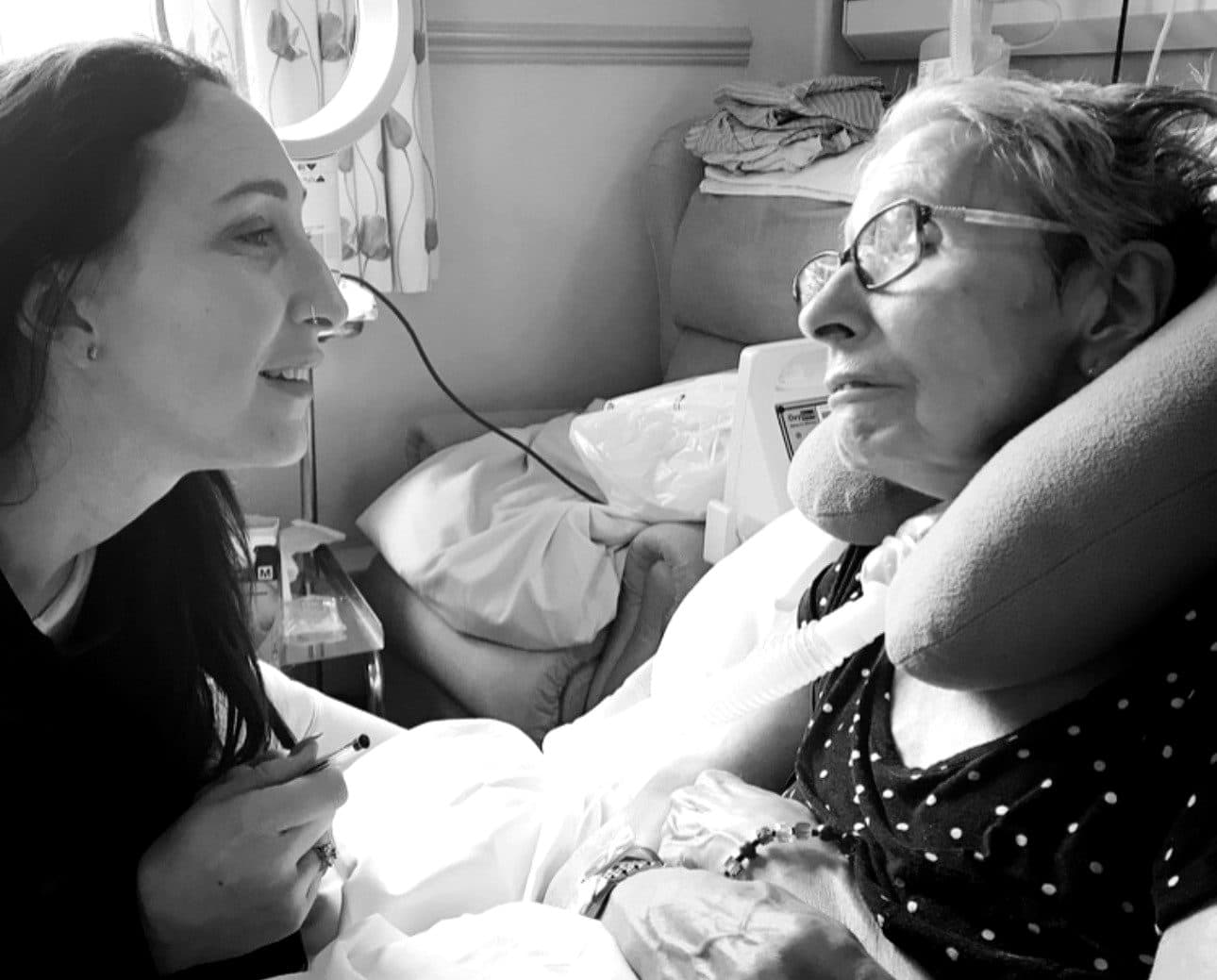
Understanding people’s rights, choices and options is an essential part of supporting them to make informed decisions about their future treatment and care.
We provide specialist, nurse-led education and training for healthcare professionals, charities, disease-specific organisations and other professionals supporting people affected by serious illness, disability or changing health needs.
Our training combines clinical expertise, the legal framework in England and Wales, and practical experience of supporting people to navigate complex decisions about treatment and care. Sessions are designed to be accessible, engaging and relevant to the people and communities your organisation supports.
Session 1 · 3 hours · For healthcare professionals
Advance Care Planning for Healthcare Professionals
An interactive session exploring the legal and clinical frameworks underpinning advance care planning, mental capacity and decision-making. Designed for healthcare professionals who want to develop their knowledge and confidence in supporting people to make decisions about their treatment and care, including when capacity is lost.
Practical, scenario-based learning shows how legal principles and advance care planning documents apply in real-life clinical situations.
Learning outcomes: a stronger understanding of the legal and clinical frameworks underpinning advance care planning, greater confidence in applying them in practice, and improved awareness of how to support people’s wishes and decisions to be understood and respected.
What session 1 covers
Understanding rights, mental capacity and decision-making
- The legal framework for decision-making in England and Wales, including the Mental Capacity Act 2005
- Informed consent and the right to accept or refuse treatment
- The presumption of capacity and the right to make unwise decisions
- When and how decision-making capacity should be assessed
- Best interests decision-making when someone lacks capacity
- Considering a person’s past and present wishes, feelings, beliefs and values
- The roles and responsibilities of healthcare professionals, family members and health and welfare attorneys
Person-led advance care planning: what people can complete themselves
The documents individuals can use to record their wishes, preferences and decisions in advance:
- Advance Statements: recording wishes, preferences, beliefs and values to inform future care and decision-making
- Advance Decisions to Refuse Treatment (ADRTs): recording legally binding refusals of specified treatments in particular circumstances, where the legal requirements are met
- Health and Welfare Lasting Powers of Attorney (LPAs): appointing trusted individuals to make health and welfare decisions if capacity is lost
We explore the legal status of each document, how they are created, when they apply and their implications for clinical decision-making.
Clinician-led advance care planning: forms completed by healthcare professionals
The forms used to record recommendations and plans for future treatment and care, with the person involved wherever possible:
- ReSPECT forms: personalised recommendations for emergency care and treatment
- Treatment Escalation Plans (TEPs): plans for treatment and escalation of care
- DNACPR forms: decisions about whether cardiopulmonary resuscitation should be attempted
We explore the purpose and status of these forms, professional responsibilities, consultation and shared decision-making.
How the documents work together in practice
- How person-led and clinician-led documents complement one another
- Their different legal status and implications for decision-making
- Recognising potential conflicts or inconsistencies between documents
- The importance of communication, documentation and accessibility
- Supporting people whose wishes or decisions are not being understood or followed
Scenario-based learning
Participants explore practical scenarios reflecting challenges in clinical practice, including mental capacity, best interests decisions, advance decisions and potentially conflicting care plans. Scenarios encourage discussion, critical thinking and the practical application of legal and professional guidance.
Session 1 prices
| Group | Price |
|---|---|
| Up to 10 people | £650 per session (£65 per person) |
| 11 or more people | +£60 per additional person |
| Online, up to 10 people | £550 per session |
Session 2 · 90 minutes · Minimum 8 people · No prior knowledge needed
Understanding Advance Care Planning: Supporting People to Make Informed Choices
An accessible, practical introduction for charities, disease-specific organisations, voluntary sector professionals and others supporting people with serious illness or long-term health conditions. Participants understand people’s rights and options, recognise the different ways individuals can plan ahead, and feel more confident supporting conversations about future treatment and care. No prior clinical or legal knowledge is required.
Learning outcomes: a clearer understanding of advance care planning options, and more confidence in supporting informed conversations, explaining the different documents and directing people towards appropriate support.
What session 2 covers
Understanding advance care planning and people’s rights
- What advance care planning is and why it matters
- People’s right to make decisions about treatment and care
- What happens when someone cannot make a decision for themselves
- Why understanding someone’s wishes, beliefs and values is important
Person-led advance care planning
- Advance Statements: what matters to someone and their preferences for future care
- ADRTs: decisions about treatments someone would not want
- Health and Welfare LPAs: choosing trusted people to make decisions if capacity is lost
Clinician-led advance care planning
- ReSPECT forms: recommendations for emergency treatment and care
- TEPs: plans for future treatment and escalation
- DNACPR forms: what a DNACPR decision means, and what it does not mean
Supporting people to plan ahead
- How person-led and clinician-led documents complement one another
- Helping people identify what matters to them and what they may wish to plan for
- Encouraging conversations with family members, attorneys and healthcare professionals
- Recognising common misconceptions and barriers
- Professional boundaries, and when to signpost for further information or specialist support
Session 2 prices
| Group | Price |
|---|---|
| 8 to 10 people | £350 per session |
| 11 or more people | +£30 per additional person |
| Online, 8 to 10 people | £300 per session |
Session 3 · For healthcare professionals · Based on new BMA guidance
Voluntarily Stopping Eating and Drinking (VSED): Legal, Ethical and Clinical Considerations
Following the publication of new guidance from the British Medical Association (BMA), we offer specialist nurse-led education on voluntarily stopping eating and drinking (VSED) and the complex legal, ethical and clinical considerations that can arise when a patient expresses a wish to pursue this option. The session helps healthcare professionals understand the legal framework, navigate difficult conversations and use professional guidance to inform their decisions and responses.
Learning outcomes: a clearer understanding of VSED, the relevant legal and ethical considerations, and how the BMA guidance can support healthcare professionals in responding appropriately to patients who express this wish.
What session 3 covers
Understanding VSED and the legal framework
- What is meant by voluntarily stopping eating and drinking
- The legal position in England and Wales
- The relevance of mental capacity, consent and the right to refuse treatment
- Distinguishing VSED from other end-of-life decisions and practices
Understanding the BMA guidance
- An overview of the guidance and its key considerations
- The professional responsibilities and challenges when responding to patients considering VSED
- Using the guidance to support careful, informed and legally appropriate decision-making
Ethical and practical complexities
- Responding sensitively when a patient expresses a wish to pursue VSED
- Tensions between patient autonomy, professional responsibilities and clinical care
- Recognising when further assessment, multidisciplinary discussion or specialist advice may be needed
- Supporting communication and decision-making in complex or uncertain situations
Session 3 prices
| Group | Price |
|---|---|
| Up to 10 people | £550 per session (£55 per person) |
| 11 or more people | +£55 per additional person |
| Online, up to 10 people | £475 per session |
Bespoke education and training
Different organisations and professional groups have different educational needs. Alongside our core sessions, we can develop bespoke training tailored to your organisation, workforce and the people you support, by adapting our existing sessions or building education around specific aspects of advance care planning, mental capacity, treatment decisions or related areas of practice.
We can incorporate relevant scenarios, practical examples and discussion so the training is meaningful and applicable to your organisation. Bespoke sessions are quoted individually.
Prices are guide prices per session. Sessions can be delivered in person or online; in-person prices exclude travel expenses. Please get in touch to discuss group sizes above 25 or multi-session bookings.
- Dementia: greater emphasis on changes in decision-making capacity, health and welfare attorneys and recording wishes early.
- Cancer and progressive conditions: treatment decisions, emergency care planning and conversations about future care.
Our approach
| Nurse-led | Delivered by experienced registered nurses with specialist knowledge of advance care planning and end-of-life care. |
| Legally informed | Grounded in the relevant law and professional guidance for England and Wales. |
| Person-centred | Focused on people’s rights, informed choices, wishes and values. |
| Practical | Informed by extensive experience of supporting individuals, families and professionals through complex situations. |
| Tailored | Adapted to the needs, knowledge and experience of each audience. |
Enquire about training
Whether you need a comprehensive session for healthcare professionals, an accessible introduction for your organisation, or bespoke training on a particular topic, we would be pleased to discuss your needs. Tell us about your organisation and the training you are interested in, and we will get in touch.
Enquire about training