
Planning ahead and recording your wishes
Your options for advance care planning in England and Wales, explained.
Why plan ahead?
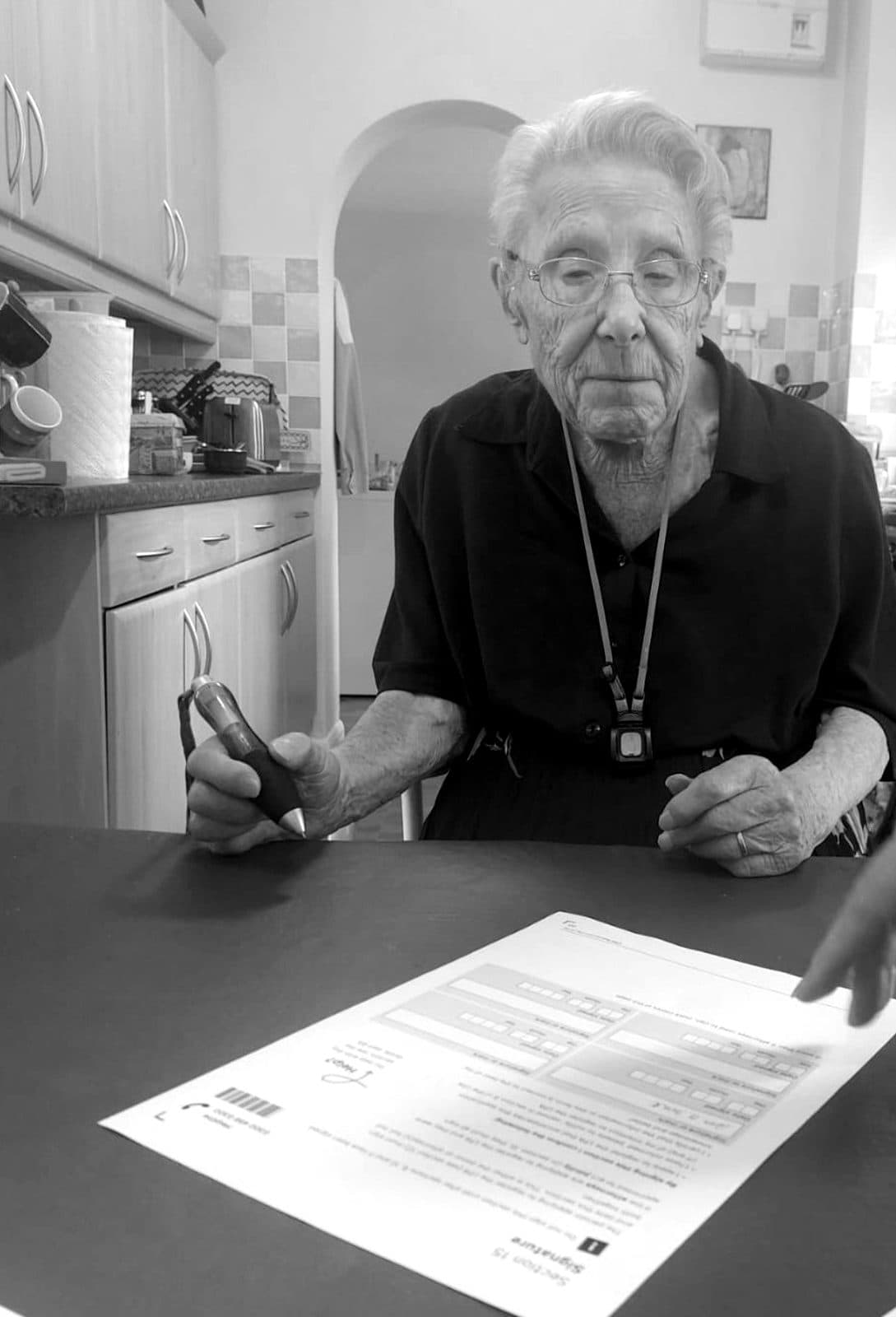
Planning ahead lets you think about the treatment and care you would or would not want in the future, record your wishes, and help others understand what matters most to you. Advance care planning is more than filling in a form. It is a chance to reflect, ask questions and make informed decisions.
Advance decision to refuse treatment (ADRT)
An ADRT, sometimes called a living will, lets an adult aged 18 or over with mental capacity refuse specific medical treatments in advance, in case they later lose capacity to decide. A valid ADRT that applies to the situation is legally binding.
To refuse life-sustaining treatment, the ADRT must be in writing, signed and witnessed, and must state clearly that the refusal applies even if your life is at risk. It is important to describe the treatments and circumstances clearly. An ADRT cannot be used to ask for treatment, or to refuse basic care such as warmth, comfort and being offered food and drink by mouth.
Advance statement
An advance statement records your wishes, feelings, beliefs and preferences. For example, where you would like to be cared for, or what quality of life means to you. It is not legally binding, but anyone making a decision in your best interests must take it into account.
Lasting power of attorney for health and welfare
A health and welfare lasting power of attorney (LPA) lets you appoint people you trust, called attorneys, to make certain decisions for you. It must be registered with the Office of the Public Guardian before it can be used, and attorneys can only act when you lack capacity to make that decision yourself. If you want your attorneys to be able to consent to or refuse life-sustaining treatment, you must give them this authority specifically.
DNACPR and ReSPECT
A DNACPR (do not attempt cardiopulmonary resuscitation) decision is about CPR only. It does not mean other care or treatment should stop. You should be involved in any discussion about it.
A ReSPECT plan records personalised recommendations for your care and treatment in an emergency. Some areas use a treatment escalation plan (TEP) instead. These plans are completed by your healthcare professional together with you. They are not legally binding, but they help guide decisions when you cannot take part in them. Both work best after clear, open conversations with your healthcare team.
For more detail, see the different ways you can plan ahead.
How we can help
Our specialist nurses can help you:
- understand the purpose and limits of each option
- think through possible treatment situations
- find clear, clinically meaningful wording for your wishes
- understand the formal requirements for an ADRT
- work through your own LPA application, step by step
- understand how an LPA and an ADRT work together
- decide who should have copies of your documents and how to share them
- prepare for conversations with your GP and other healthcare professionals
Frequently asked questions
Do healthcare professionals have to follow my ADRT?
A valid ADRT is legally binding if it applies to the treatment and circumstances at the time. If there is doubt about whether it is valid or applies, this may need to be resolved, sometimes by the Court of Protection. Clear wording, and making sure the right people know about it, helps avoid this.
Can I have both an ADRT and an LPA?
Yes, but the order you make them in matters. If you make an LPA after your ADRT and give your attorneys authority over the same treatment, the ADRT no longer applies to that treatment. An ADRT made after your LPA takes priority for the treatments it refuses. We can help you get this right.
Do I need to be seriously ill to plan ahead?
No. Planning early gives you time to reflect, talk to the people close to you and record your wishes while you are able to.
Can I change my mind?
Yes. While you have capacity, you can change or withdraw an ADRT or advance statement at any time. It is a good idea to review your plans regularly, and whenever your health or circumstances change.
Take the next step
Your wishes deserve more than a tick-box exercise. Contact us to talk through your options and plan with confidence.
Send us an enquiry